Leave Your Message

Blog

China Top 10 Alarm Cable Manufacturers for Global Buyers

China Top 10 Alarm Cable Manufacturers for Global Buyers

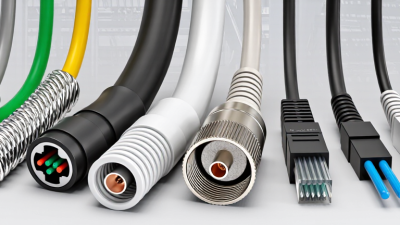
Choosing an Alarm Cable manufacturer? It's not just about comparing prices, you know. You've got to dig into the conductor materials, insulation, shielding, and whether they can keep their production consistent. A cable can look great on paper but act totally different once you actually install it. Details really matter when it comes down to it. So, you're on the lookout for alarm and security cables, right? This guide introduces ten manufacturers that global buyers might want to consider. But hey, it's just a starting point – we're not guaranteeing that every one of these suppliers will fit your specific project. Because even among the established names, product ranges, export experience, and technical support can vary quite a bit. That makes comparing them a bit of a headache, honestly. When you're sizing up a supplier, don't just skim the surface. Dig into the specs—conductor size, voltage rating, jacket material, and how hot it can get. Make sure they've got the numbers on paper. And hey, ask for test reports and product samples if that makes sense. You want to see they can walk the talk when it comes to quality control—not just say they have a process, but explain it in plain English. A fancy brochure? That's nice, but it won't cut it. And a rock-bottom quote? That's not a green light either. So, buyer requirements aren't one-size-fits-all—they shift depending on things like the site, the climate, how you're installing the system, and the overall design. Before you place an order, it's crucial to make sure the product actually lines up with the project's stated technical specs. Sure, independent documentation can be a helpful backup, but you've got to double-check its scope and whether it's still valid. Just to be clear, this article isn't a substitute for proper engineering review or doing your own homework on suppliers. Oh, and one more thing to keep in mind: even if the public info looks good, it might not tell you how the product performs on a day-to-day basis during real production. So, a little caution goes a long way. You know, start by using those profiles to narrow down your list. Then don't just guess—ask some pointed questions and really weigh the evidence. Yeah, it takes a bit of extra time, but trust me, it's worth it. Otherwise, you might end up making assumptions that cost you big time.
Read more »
Sofia By:Sofia - November 11, 2026
How to Choose the Right Circuit Breaker in 2026?

How to Choose the Right Circuit Breaker in 2026?

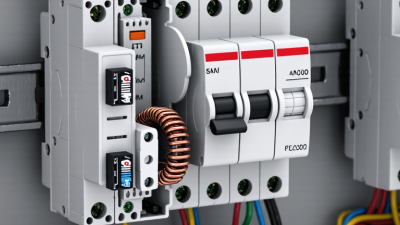
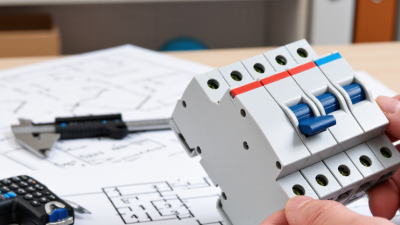
Picking the right circuit breaker in 2026 isn’t just about matching some number on the box. You’re actually protecting the whole circuit, the wiring, and whatever’s plugged into it. A breaker that keeps tripping? That gets annoying fast and messes with your work. But one that can’t interrupt a fault properly? It might fail exactly when you need it most. So yeah, the little things matter. Mike Holt—you probably know him for his practical, no-nonsense electrical training—likes to remind us that protection has to match the circuit’s actual conditions. I’ve heard the idea paraphrased like this: “Choose protection for the wiring and load, not just the appliance.” (And to be clear, that’s a paraphrase, not something he said word-for-word.) What it really comes down to is checking the stuff that matters: rated voltage, continuous current, pole count, trip characteristics, and interrupting capacity. Like, a motor could need a totally different trip response than a lighting circuit would. And you’ve also got to think about the panel’s available fault current—that’s a big deal too. First things first—check the equipment nameplate and the panel documentation. After that, go through the conductor size, installation conditions, and the manufacturer’s instructions. Just because a breaker physically fits in the panel doesn’t mean it’s electrically compatible. And a higher amp rating isn’t automatically better protection, either. It’s an easy assumption to fall into, but definitely worth questioning. Come 2026, product specs and local codes can vary quite a bit, so have a qualified electrician confirm the exact model and applicable standards. Alright, let’s be real—this guide isn’t here to bore you. It’s about comparing breaker types, actually understanding the ratings, and dodging the common mistakes people make when picking them. The whole point is practical: you want the right breaker, a panel that works with it, and protection that fits the circuit. Not guesswork.
Read more »
Lucas By:Lucas - November 8, 2026
2026 Best Electrical Cable Types for Global Buyers

2026 Best Electrical Cable Types for Global Buyers

Picking the right electrical cable in 2026 isn't just about comparing prices, you know? You've got to think about how the cable is built, the voltage and current it'll carry, where it's installed, the temperature around it, and how long you expect it to last. Like, a cable that's perfect for a dry indoor control panel might totally suck if you bury it underground or use it for solar panels that bake in the sun. The little things really matter. According to the International Energy Agency’s 2023 report on electricity grids and secure energy transitions, the amount invested in grids each year is expected to jump from about USD 300 billion in 2022 to over USD 600 billion by 2030. That’s a huge leap. The report also says we need to add or replace around 80 million kilometres of grid infrastructure by 2040. So yeah, the demand for reliable conductors, insulation, and protection systems isn’t going away. But here’s the thing—none of this means there’s one universally best cable type. There just isn’t. Honestly? There's no single winner that works for everyone. So you're in the market for cables, huh? This guide walks you through the common ones—power, control, instrumentation, solar, and low-voltage—without getting too bogged down in theory. Instead, we zero in on the practical stuff that actually matters when you're buying: conductor material, insulation, shielding, fire ratings, and whether the product has real test documentation behind it. The golden rule? Always check against the relevant IEC standards and your specific project specs. And here's a tip—don't just flip through the catalogue and assume everything's fine. You've got to ask the manufacturer directly for the certificates and test reports. That's where the real proof is, not in a glossy brochure. You know, when people search for “Cable For Cable,” they might think it's some kind of technical term. But honestly, it's not—it's just a phrase that pops up in supplier listings. And here's the thing: even if you compare specs really carefully, you still can't account for everything. Site conditions, local codes, they can totally flip what's the right pick. You might find a product that looks perfect on paper, but then it just doesn't hold up when you actually install it. That's something worth thinking twice about, don't you think?
Read more »
Sofia By:Sofia - November 3, 2026
Who Are the Best Solar Cable Manufacturers in China?

Who Are the Best Solar Cable Manufacturers in China?

Choosing the best Solar Cable manufacturers in China isn't just about comparing prices or flipping through glossy catalogs. You want a supplier who can actually show you clear specs, a solid quality track record, and real hands-on experience with photovoltaic projects. And don't just skim over the details—check the conductor material, insulation, temperature ratings, UV resistance, and make sure those test reports are traceable. Honestly, the little things matter a lot. So, energy expert Fatih Birol once said that solar PV is now the cheapest source of electricity in history. Obviously, he was talking about solar power, not cable manufacturing—but it kind of makes you think about why the smaller components matter too. I mean, a cable sitting on a warehouse floor just looks like, well, a cable. But after years of sun, heat, and unpredictable weather, cheap materials can turn into one expensive headache. Okay, so when you're looking at Chinese manufacturers, don't just rely on what they show you online. You actually have to dig into the things you can verify: what they make, their production capacity, their quality documentation, how flexible they are with customization, and how they communicate once a quotation arrives. A polished website? That doesn't prove anything. Neither does a super low price. Ask for up-to-date technical datasheets, double-check that the stated ratings match your intended application, and don't be afraid to ask for clarification when details seem vague. Honestly, some comparisons won't be perfect, because public info just varies from company to company. Let's be real—that's worth admitting. We're not out to pick one winner and call it a day. The whole point is just to help you figure out which solar cable suppliers are actually credible, and to get you asking the right questions before you commit to an order.
Read more »
Sofia By:Sofia - October 30, 2026
2026 Best Ethernet Cable for Fast Reliable Internet?

2026 Best Ethernet Cable for Fast Reliable Internet?

So you're on the hunt for the best Ethernet cable in 2026? Honestly, it's not about grabbing the flashiest new label off the shelf. It's more about matching the right specs to your setup—speed, distance, shielding, and even how well you install the darn thing. So, you know how Cat6A is basically the go-to for 10 gigabit connections up to a hundred meters? ISO and TIA both give it the thumbs up. That matters a lot for folks running gaming PCs, hooking up Wi-Fi 7 access points, or just managing a small office network. And here's the thing—the Ethernet Alliance's 2024 roadmap shows we're heading toward 800G and even 1.6T speeds. Sure, those are mostly data center stuff, but it kind of influences what cabling you might want to invest in now, even if you're not a tech giant. Honestly, it's the little details that get you. A thin cable might sit nice and neat behind your desk, but if it's poorly made, you'll start seeing random packet errors and interference. A shielded one? That can really help in noisy, electrical spaces—provided your grounding and connectors are compatible, which is easier said than done. And sure, Cat8 sounds like the coolest, fastest option, but honestly, its channel lengths are so limited that most homes won't even benefit. No cable wins everywhere—there's always a trade-off. So Valerie Maguire—she’s the Director of Standards and Technology over at The Siemon Company—once called cabling “the foundation of the network.” Honestly, that idea still holds up pretty well when you’re looking at what’s coming out in 2026. Sure, the cable itself is passive, but the impact it has? Not even close to passive. Alright, so we've put together this guide that walks you through cable categories, conductor materials, shielding, bend radius, connector design, and even verified performance—basically all the specs that look great on paper. But we didn't just pull this out of thin air; we also looked at what Dell’Oro’s Ethernet Switch Five-Year Forecast had to say, and we followed Fluke Networks’ testing advice too. Here's the thing though—real-world installations? They're way messier than any lab chart will ever show you. I mean, think about it: walls, patch panels, and those cheap connectors you find in the wild—they can throw everything off. So honestly, a perfect spec sheet? It can still let you down.
Read more »
Lucas By:Lucas - October 27, 2026
How to Choose the Right Ethernet Cable for Your Network?

How to Choose the Right Ethernet Cable for Your Network?

Picking the right Ethernet Cable? Yeah, it can be the difference between a network that just works and one that drives you up the wall. I mean, a cable might not look like much, but things like its category, length, shielding, and how it’s built? They actually matter for real-world speed and reliability. And what you need in a home office is not the same as what a warehouse, gaming setup, or business server room needs. Choose wrong, and you might end up with slow file transfers, random dropouts, or money wasted on the wrong thing. You know, it’s the simple decisions that really matter. This guide is really about the practical stuff that goes into choosing a reliable cable. Before buying, an experienced installer will typically check the switch, network adapter, power needs, and the data speeds you're likely to need. Cat5e, for example, handles plenty of everyday gigabit connections just fine. But if you're after higher bandwidth or want some room for future upgrades, Cat6 or Cat6A might be a better fit. Cable length matters too. A long cable running next to electrical equipment can pick up interference—especially if it doesn't have proper shielding. So, yeah — Power over Ethernet kind of adds another thing to worry about. If the cables aren’t great quality, they can heat up and make your devices act all unstable. If you want recommendations you can actually trust, they should line up with recognized technical guidance—stuff like the relevant IEEE and TIA standards. You’ve also got to factor in manufacturer specs that have been verified, the actual installation conditions, and independent testing. That said, no checklist is going to fit every building. I’ve seen networks blow money on fancy premium cables while completely ignoring damaged connectors and badly installed outlets. It’s a lesson that’s surprisingly easy to overlook. Just because a cable is a higher category doesn’t mean it’s automatically the smartest pick. Basically, the idea here is to help you weigh performance, durability, cost, and whatever you might need down the road. You'll also see how to compare things like categories, shielding types, connectors, cable lengths, and the environment where you're installing it. And honestly? The best Ethernet cable isn't just the priciest one. It's the one that fits your network right now, and still gives you a little breathing room for later.
Read more »
Lucas By:Lucas - October 24, 2026
7 Best Network Cables for Fast Reliable Internet

7 Best Network Cables for Fast Reliable Internet

Choosing the right network cable can quietly change your everyday internet. A solid cable cuts down signal loss, keeps interference in check, and helps your devices hold steady speeds. Sometimes you’ll notice it on a speed test. But more often, you’ll notice it on video calls, big downloads, cloud backups, and online gaming. David R. Boggs, one of Ethernet’s co-inventors, once stressed how important the physical network really is: “Ethernet is a broadcast medium.” That simple thought still holds up. Every cable has shared performance consequences, especially in busy homes and offices. Cat5e is still fine for a lot of basic setups. Cat6 gives you more headroom for modern gigabit connections. Cat6a can handle higher bandwidth over longer runs, but it’s often thicker and a pain to route. Fiber can go way farther, though you’ll need compatible gear and be more careful with installation. Small details matter. A badly crimped connector can drag down an expensive router. Tight bends can hurt the internal pairs. Unshielded cable can struggle near power lines or crowded equipment. Shielded cable isn’t automatically better either—it needs proper grounding to work right. I’ve also seen buyers pick cables based only on marketing claims. That’s an easy mistake to make. This guide looks at seven network cables for fast, reliable internet. It compares speed ratings, shielding, flexibility, distance limits, connector quality, and overall value. No single cable wins everywhere. The best pick depends on your hardware, room layout, interference, and upgrade plans. Some recommendations might sound obvious, but real installations are rarely perfect.
Read more »
Lucas By:Lucas - October 19, 2026
China Top 10 Isolator Switch Manufacturers for Global Buyers

China Top 10 Isolator Switch Manufacturers for Global Buyers

Picking the right Isolator Switch isn't just about comparing prices, ratings, or catalogue photos. If you're buying globally, you really need to look at contact materials, enclosure protection, mechanical endurance, terminal design, and certification evidence. After all, a switch sitting next to a dusty motor, up on a rooftop panel, or on a humid factory wall is going to face very different conditions. So here's a practical intro to ten leading Isolator Switch manufacturers for international procurement. The list includes ABB, Schneider Electric, Siemens, Eaton, Legrand, Socomec, Hager, Fuji Electric, CHINT, and LS Electric. Between them, they cover residential, commercial, industrial, and renewable-energy applications. That said, a big brand name alone can't replace technical checks. You'll still want to confirm voltage, current, poles, utilization category, short-circuit performance, and whatever local installation rules apply. Safety comes first—no question. As electrical installation author Paul Cook put it, “Isolation is about creating a safe working condition, not merely opening a circuit.” That idea is what makes this comparison useful in the real world. A visible handle, dependable switching action, and clear circuit identification can make a big difference during a rushed maintenance task. Those small design details often matter most when people are under pressure. The ranking also takes in manufacturing experience, product consistency, documentation quality, distribution reach, and technical support. Evidence can differ by region and by product series, and some manufacturers simply publish stronger data than others. But that doesn't automatically make one company better. It just means you should inspect the exact model you're considering. No ranking is perfect. Market availability shifts. Certification records need checking. So treat this introduction as a practical starting point—not your final purchasing decision. Engineers, contractors, and importers should match each Isolator Switch to the real site conditions before placing an order.
Read more »
Sofia By:Sofia - October 12, 2026
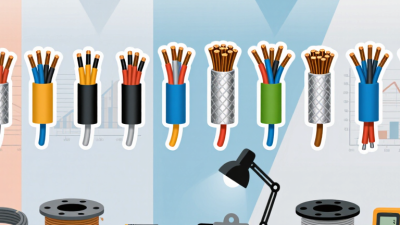
What Is Electric Wire and Which Type Is Best?

What Is Electric Wire and Which Type Is Best?

Electric wire is basically the quiet path that carries power through homes, factories, offices—everywhere, really. It looks simple enough, but how it's made has a lot to do with safety, efficiency, and how long it lasts. Copper and aluminum conductors don't act the same under heat and load. Insulation matters too, especially when you're dealing with moisture, sunlight, or equipment that moves. The best electric wire? It depends on the installation. There's no one universal product that fits every job. A residential lighting circuit might be fine with flexible copper wire and durable PVC insulation. A workshop feeder, though, may need a larger conductor and stronger protection. Experienced electricians look at expected current, voltage drop, ambient temperature, and how it's being installed before they pick a size. They also check labeling, conductor quality, and insulation condition. A small mistake can create heat inside a wall—and that's not something you want to ignore. The phrase Electric Wire Electric Wire might sound repetitive, but it's actually a pretty common search question: which wire should people trust? The honest answer can be a little uncomfortable. A familiar brand doesn't automatically fit every project. Even professional recommendations can miss the mark when site conditions change. Local electrical codes and a qualified electrician should guide the final decision. This article compares common wire types, practical applications, and selection factors in plain terms. It also looks at installation experience, product documentation, and long-term reliability. The goal isn't to push the thickest wire or the cheapest option. It's to help readers choose something safe, suitable, and verifiable. Details matter.
Read more »
Amelia By:Amelia - October 7, 2026
How to Choose the Right RCBO Breaker for Your Needs?

How to Choose the Right RCBO Breaker for Your Needs?

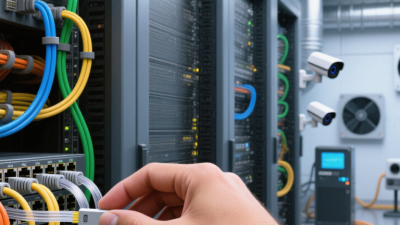
Picking the right Rcbo Breaker isn’t just about matching the amperage. It’s more nuanced than that — you have to think about how much load the circuit can handle, fault protection needs, where and how you’re installing it, and local rules or standards. An RCBO is pretty handy because it combines overcurrent protection with residual-current safety, meaning it can disconnect a circuit if there's an overload, a short, or earth leakage — sounds straightforward, right? But trust me, it's not always so simple. The latest Electricity 2024 report from the International Energy Agency points out that more and more buildings and industries are going electric, which ramps up the demand on household and commercial circuits. That means more appliances, which can lead to warmer enclosures and less room to fudge on choosing the right breaker. Then there's NFPA’s research into home fires — electrical systems and lighting are often behind the flames. All of this adds up to a need for caution, not blindly trusting product labels. In this guide, I’ll share some practical advice on how to pick an RCBO breaker based on good electrical reasoning and recognized standards. For starters, IEC 61009-1 is all about residual current circuit-breakers with built-in overcurrent protection for homes and similar setups. Then there’s IEC 60364-4-41, which sets out broader safety principles to protect against electric shocks. When choosing your breaker, pay attention to things like rated current, pole configuration, breaking capacity, residual operating current, trip type, and whether it fits your setup. Sure, a 30 mA device can protect folks from electric shocks, but just being sensitive enough doesn’t guarantee it’s right for you. You’ve also got to consider cable sizes, the maximum fault current your system could see, ambient temperature, and the risk of nuisance tripping. Honestly, the little details make a big difference. From my experience conducting site inspections, I can tell you that mixing up Type AC and Type A protection can cause avoidable issues — especially with modern electronic loads. It’s always best to double-check manufacturer test data and get a qualified electrician’s opinion. And at the end of the day, no guide can beat actually measuring things directly. That’s the part you really want to remember.
Read more »
Amelia By:Amelia - October 3, 2026
7 RCBO Breaker Buying Tips for Global Buyers

7 RCBO Breaker Buying Tips for Global Buyers

Buying an Rcbo Breaker for an international project isn’t just about comparing prices — there’s more to it. You’ve got to make sure the device actually fits the circuit, installation conditions, and the equipment it’s meant to protect. Little details really matter here. A clear label, proper test records, and an easy-to-read datasheet can save you from a lot of headaches and costly mix-ups down the line. In this guide, I’m bringing in a fictional but seasoned expert, electrical-protection engineer Adrian Cole, to give you some practical advice: “Always check the application, ratings, and supporting evidence before you start comparing quotes.” Think of that as a rough rule of thumb — not a hard quote. You’ll want to double-check the rated current, residual operating current, pole configuration, voltage, frequency, and short-circuit breaking capacity to make sure they match what you need. Remember, a breaker designed for a small distribution board might not fit another panel or load. Don't hesitate to ask your suppliers for detailed product documentation, batch traceability info, warranty details, and clear answers about testing procedures. And if you're importing, it’s a good idea to verify all relevant requirements with qualified local professionals in the destination market. Now, the next seven tips are all about helping you with choosing the right product, vetting your supplier, and avoiding delivery issues. Also, they shed light on what a shiny product page might not tell you — for instance, always ask for the exact model code, not just a blurry product photo. Make sure the specs match your project drawings, and double-check things like packaging, lead time, and after-sales support before you place a big order. It’s a bit of extra effort, but honestly, it’s totally worth it. Even if you’re an experienced buyer, tight deadlines can cause you to overlook mismatches or details. So, keep a written checklist, review it carefully, and run it by your installation team. Better safe than sorry, right?
Read more »
Lucas By:Lucas - September 29, 2026
Top 10 Network Cable Types for Buyers

Top 10 Network Cable Types for Buyers

Picking out a Network Cable isn’t just about grabbing the one with the highest category number. Honestly, the right choice depends on a bunch of things—like how far it needs to go, how fast your network needs to be, where you’re installing it, and whether it’s compatible with your gear. For example, a short patch cable behind your desk isn’t the same as a cable running through a ceiling or buried outside. Those little details can make a real difference. In this guide, I’ll walk you through ten common types of cables you'll probably come across, including Cat5e, Cat6, Cat6A, coaxial, and fiber optic cables. I’ll explain what each is good for, what the labels can tell you—and what they can’t—and what installation details are worth paying attention to. For instance, the performance of copper Ethernet depends not just on the category, but also on the connectors and how long the cable run is. Just seeing a 'faster' label doesn’t automatically mean your network will be quicker. Fiber optic cables, on the other hand, transmit data as light and don’t get affected by electrical interference, but you need compatible ports and transceivers to make it work. Coax cables are still useful in certain broadband or video setups—it's all about what you need. Don’t forget, things like the jacket material, shielding, bend radius, and exposure to moisture or heat are also pretty important. For example, a plenum-rated jacket might be required in some building spaces, and outdoor cables need weatherproofing to stand up to the elements. Requirements really vary depending on where you’re installing your cables. Always check the product info, make sure it works with your existing hardware, and avoid shelling out for features your network won’t actually use. Picking the right cable might seem simple at first—and sometimes it is. But if you don’t pay attention to labels or rush your choices, you could end up having to replace cables later on, which costs more in the long run. So, in this guide, I’m highlighting practical stuff to check and the pros and cons of each cable type, so you can make smarter decisions without the confusion.
Read more »
Lucas By:Lucas - September 26, 2026
How to Choose the Right Network Cable in 2026?

How to Choose the Right Network Cable in 2026?

Choosing the right Network Cable in 2026 isn't just a simple Cat5e versus Cat6 debate anymore. These days, networks are doing so much more — streaming videos, cloud apps, AI tasks, access control, and powering those increasingly demanding PoE devices. What might work smoothly on a short desk run could totally flop inside a hot ceiling space, a cramped cabinet, or a noisy factory environment. Remember what networking pioneer Robert Metcalfe once said? He pointed out, “The value of a network grows as the square of its users.” And that’s still true. The more gadgets and devices you connect, the more strain on your bandwidth, reliability, and maintenance efforts. This guide covers the main options — copper and fiber, like Cat6, Cat6A, shielded cables, and multimode fiber. We’ll also look into things like transmission distances, connector quality, bend radius, temperature conditions, and installation tips. Little details really do matter. In real-world projects, things rarely go perfectly according to a checklist. Maybe a contractor goes for a cheaper cable and then finds out it’s too bulky for the conduit. Or a data center orders high-performance gear but overlooks airflow or patch-panel compatibility. These mistakes might seem small at first, but they can end up costing a lot later on. Brands like Belden, CommScope, Leviton, and Panduit all offer various constructions, ratings, and testing reports. While a well-known brand helps a bit, it’s no substitute for real verified performance. Always look for clear specs, traceable certifications, and independent testing results. The best network cable isn’t always the fastest or the most expensive — it’s the one that fits your environment, equipment, budget, and future growth. Sounds obvious, right? But honestly, it’s one of those details that often get overlooked.
Read more »
Sofia By:Sofia - September 22, 2026
How to Choose the Best Led Ceiling Light?

How to Choose the Best Led Ceiling Light?

Picking the right Led Ceiling Light isn’t just about checking wattage, shape, or online reviews. You really want to think about whether it fits the size of your space, the height of your ceiling, what you'll be doing in there, and how your wiring is set up. For example, a super bright light might seem great, but if its lens causes harsh glare on your dining table, it could end up being more of a hassle than helpful. Richard Kelly, a pretty influential American lighting designer, had a simple way of describing good lighting—he talked about “light for seeing, light for looking, and light for gazing.” That idea still works today. Main lighting should help you move around safely, accent lighting should draw your eye to specific spots, and decorative lighting helps set the mood. Finding a LED ceiling light that does all three well depends on matching its beam angle and brightness carefully. When shopping, start with lumens, not watts. Lumens tell you the real brightness, while watts just indicate energy use. For kitchens, a brighter light with about 4000K color temperature can really help you see better. Bedrooms usually feel cozier with around 2700K to 3000K. And if you want colors to look natural—whether it’s food, clothes, or artwork—check the CRI. A score of 90 or above is often best. Don’t forget to look into the driver, compatibility with dimmers, and how well it manages heat. These little details can affect flickering, how long the bulb lasts, and how comfortable it feels to be under the light every day. Stick to reputable brands like Philips or Cree Lighting, and look for clear specs, safety testing, and a decent warranty. I’ve personally made the mistake of focusing too much on how a light looks and overlooking glare—trust me, that’s something you don’t want to ignore. No light is perfect — room surfaces, your own sensitivity, and how well you install everything all play a part in the final result. This guide hits those practical points first, so you can pick the best LED ceiling light for your space without the headache.
Read more »
Amelia By:Amelia - September 18, 2026
2026 Best Power Wire Types for Global Buyers

2026 Best Power Wire Types for Global Buyers

So, it looks like global electricity demand is picking up speed — we’re actually entering a period of faster growth. The International Energy Agency’s Electricity 2024 report suggests that demand will grow around 3.4% each year until 2026. What’s driving this? Well, renewable energy, data centers, electric vehicles, and industrial automation are all ramping up their cable needs across different continents. This is where choosing the right power wire really matters—it's not just about looks. Copper, for example, is great because it conducts electricity really well and stays reliable at the connection points. Aluminum, on the other hand, helps cut down weight and costs, which is especially useful in big distribution systems. There are flexible stranded conductors that work well with moving equipment, and then solid conductors are better suited for fixed setups. The IEC 60228 standard categorizes conductor types, but just meeting those standards doesn’t automatically mean you’ll get the best performance in the real world. Hakan Ozmen, who’s the EVP at Prysmian Group, summed it up nicely when he said, “Cables are the backbone of the energy transition.” It’s a simple statement, but don’t let that fool you — the implications are pretty complex. Buyers need to think about lots of factors like voltage ratings, insulation types, temperature limits, bending needs, fire safety, environmental conditions, and certifications. According to the IEA Renewables 2024 report, the global renewable capacity is expected to grow by nearly 5,500 gigawatts between 2024 and 2030. That kind of expansion puts a lot of pressure on suppliers to deliver reliable, traceable wiring at a large scale. Some folks wonder if speaker wire could be a good substitute for power wire. Usually, it's not a safe bet—especially in circuits that demand a lot. Cutting corners with cheaper cables might seem like a good idea in the moment, but it can lead to overheating, voltage drops, or even early failures. Still, no single cable type is perfect for every situation. Keep in mind, this overview might oversimplify regional differences, since installation methods can vary a lot from one place to another. So, before making any purchase, it’s super important to double-check local standards, conductor sizing, testing documentation, and the history of your chosen supplier.
Read more »
Lucas By:Lucas - September 14, 2026